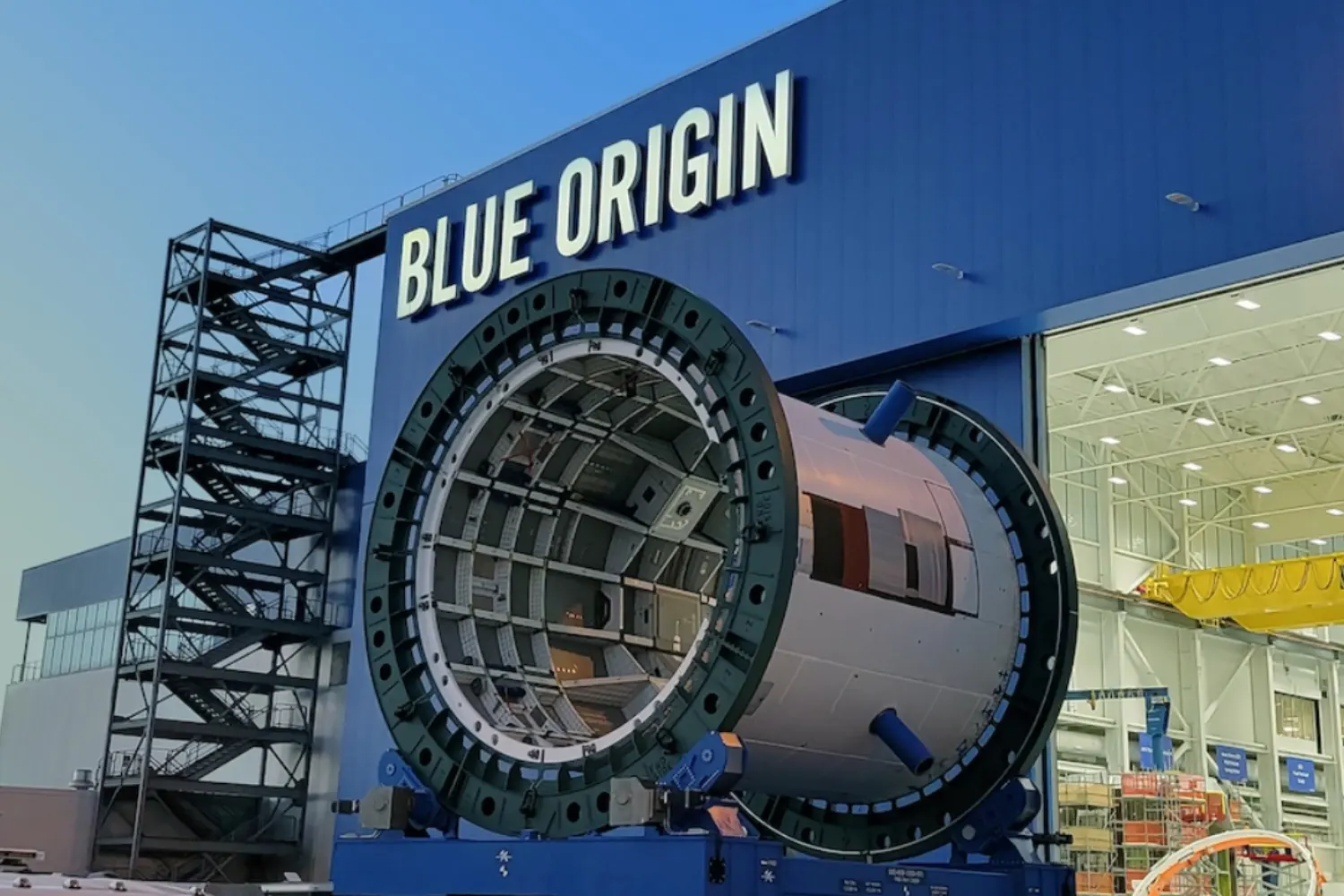
Space exploration also drives innovation in robotics and remote sensing. Rovers and automated probes gather data from distant environments where human presence is currently impractical. Technologies developed for space missions frequently find terrestrial applications, from advanced materials to precision manufacturing techniques. Research conducted in microgravity conditions provides insights into fluid dynamics, combustion and biological processes. These experiments expand scientific knowledge while demonstrating how exploration contributes indirectly to everyday technologies.
Advertising
Ethical and environmental considerations accompany commercial expansion into space. Concerns about orbital debris, resource utilisation and long-term sustainability require international cooperation. The increasing number of satellites raises questions about congestion and potential collisions in low Earth orbit. Policymakers and scientists are working to establish guidelines that balance commercial opportunity with responsible stewardship of the space environment. Transparent agreements and collaborative frameworks play a central role in maintaining shared access.
Space exploration today reflects a blend of ambition, technological capability and strategic planning. As commercial actors become more prominent, innovation continues to accelerate in areas such as propulsion systems and satellite analytics. The UK’s participation in this evolving sector demonstrates how scientific research and entrepreneurial initiative can intersect. Through careful regulation and sustained investment, space innovation remains an area of significant potential and international collaboration.