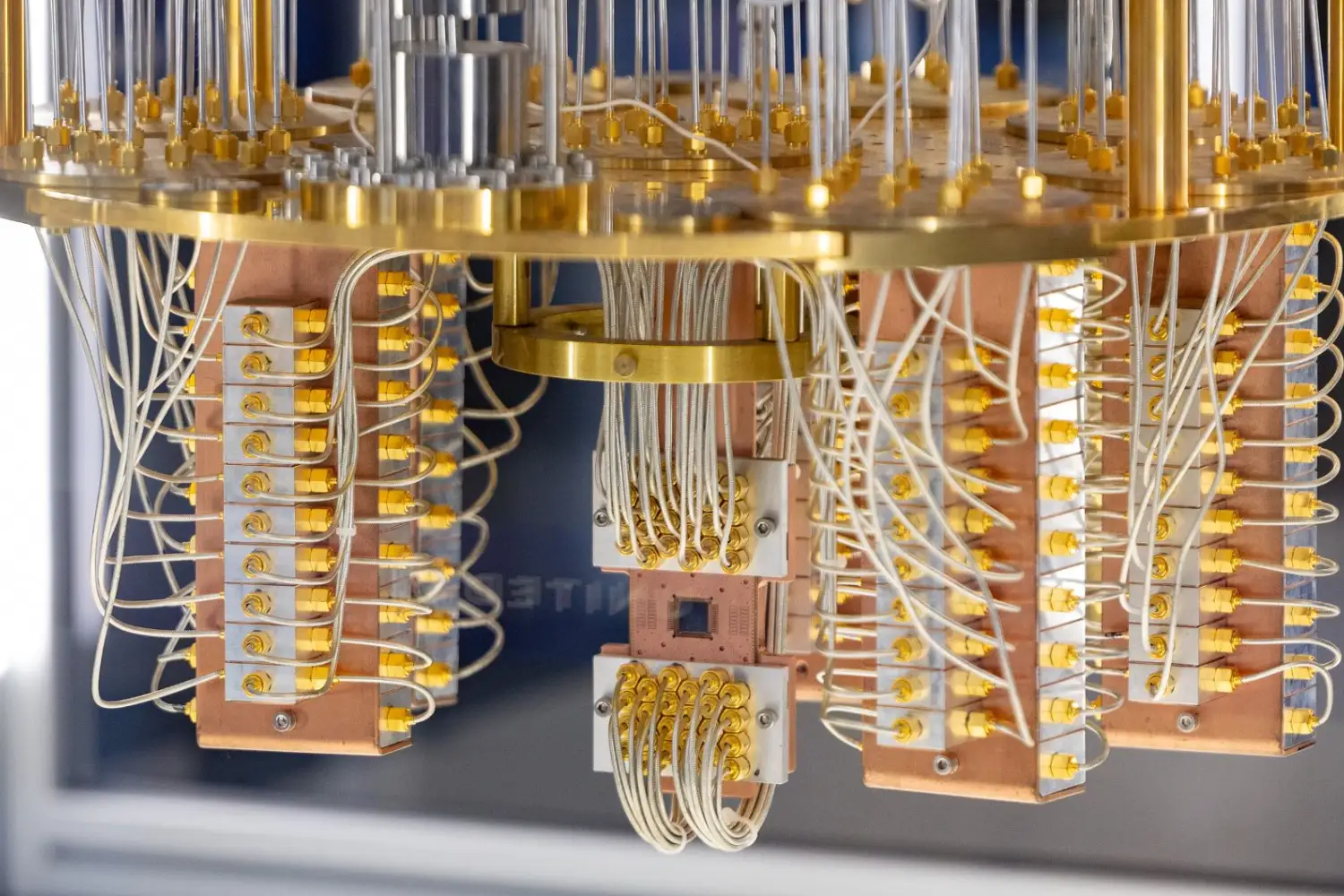
Quantum computing represents one of the most intriguing frontiers in contemporary science. Unlike classical computers, which process information in binary bits, quantum systems utilise quantum bits, or qubits, capable of representing multiple states simultaneously. This characteristic, rooted in principles of superposition and entanglement, allows quantum computers to perform certain calculations in fundamentally different ways. In the UK, research institutions and technology firms are actively exploring how quantum systems might influence fields ranging from cryptography to materials science.
Advertising
The scientific foundations of quantum computing are complex and grounded in quantum mechanics. Maintaining qubits in stable states requires extremely controlled environments, often involving temperatures close to absolute zero. Even minor disturbances can disrupt calculations, a challenge known as decoherence. Researchers are developing error-correction techniques and experimenting with different qubit materials, including superconducting circuits and trapped ions. Progress in stabilising and scaling these systems remains central to advancing practical applications.
One anticipated area of impact is cryptography. Current encryption methods rely on mathematical problems that are computationally demanding for classical machines. Quantum algorithms, such as Shor’s algorithm, suggest that sufficiently advanced quantum computers could process certain calculations more efficiently. This possibility has prompted the development of post-quantum cryptography, aiming to design encryption standards resilient to future quantum capabilities. UK cybersecurity agencies and research groups are contributing to these efforts to ensure data protection remains robust.