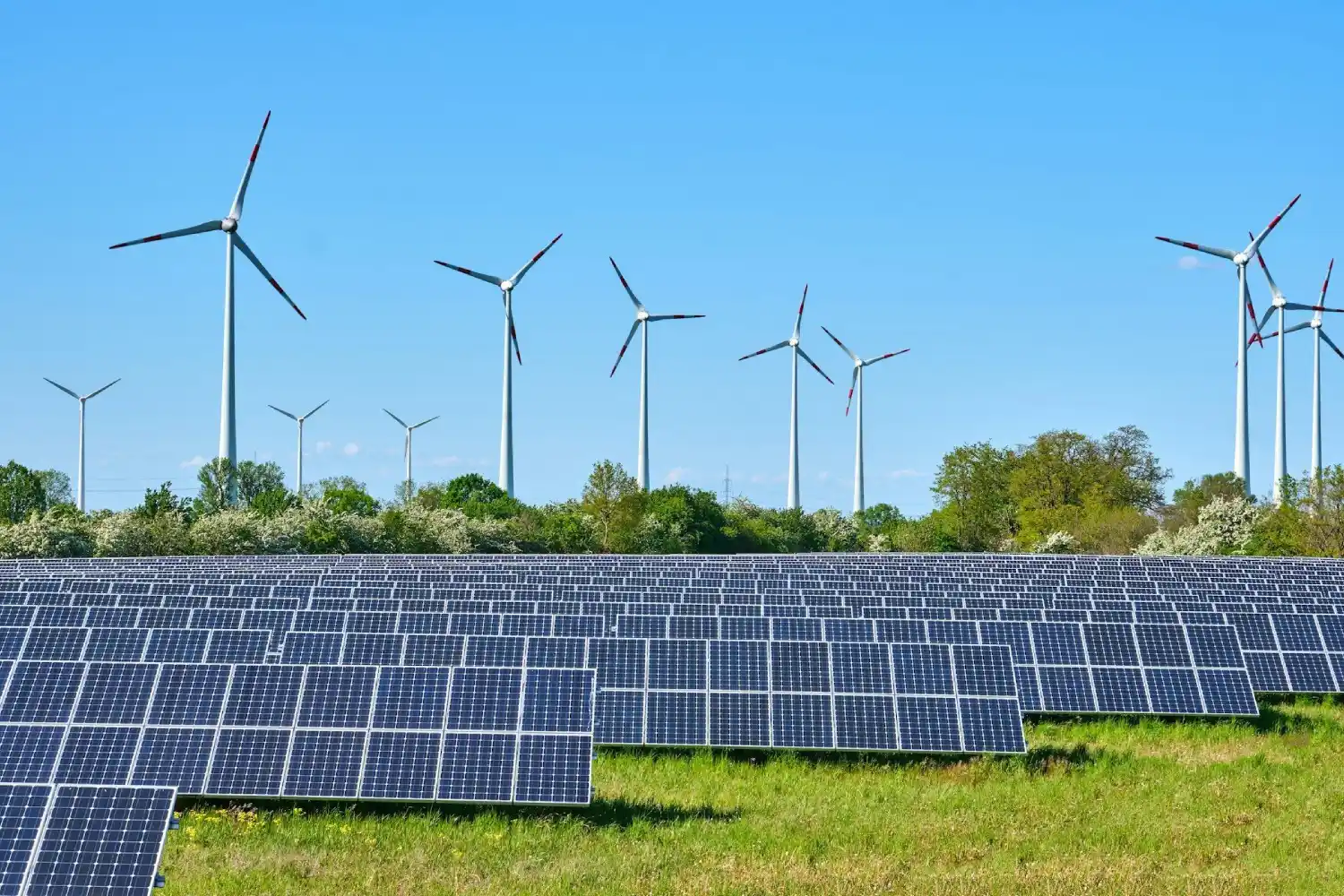
The transition towards renewable energy has become a defining feature of scientific and technological progress in the twenty-first century. In the UK, commitments to reduce carbon emissions have accelerated research and investment in alternative energy sources. Wind, solar and tidal power now contribute a significant share of national electricity generation. Innovation within these sectors continues to refine efficiency, storage capacity and integration with existing infrastructure, shaping a more diversified energy landscape.
Advertising
Offshore wind energy represents one of the UK’s most prominent achievements in renewable development. Coastal regions provide favourable conditions for large-scale wind farms, where turbines harness consistent sea breezes. Advances in turbine design have increased capacity while improving durability in challenging marine environments. Floating wind platforms are also being explored, enabling deployment in deeper waters previously considered unsuitable. These technological improvements expand geographical possibilities and contribute to national energy resilience.
Solar technology has similarly advanced, with improved photovoltaic cell efficiency and declining manufacturing costs. While the UK climate is not as sunny as some regions, solar panels still generate meaningful output throughout the year. Innovations in energy storage, particularly battery systems, address intermittency challenges by storing surplus electricity for later use. Research into solid-state batteries and alternative storage materials aims to enhance reliability and lifespan, supporting broader adoption of solar installations in residential and commercial settings.