Category:

Fashion & Beauty

Advertising

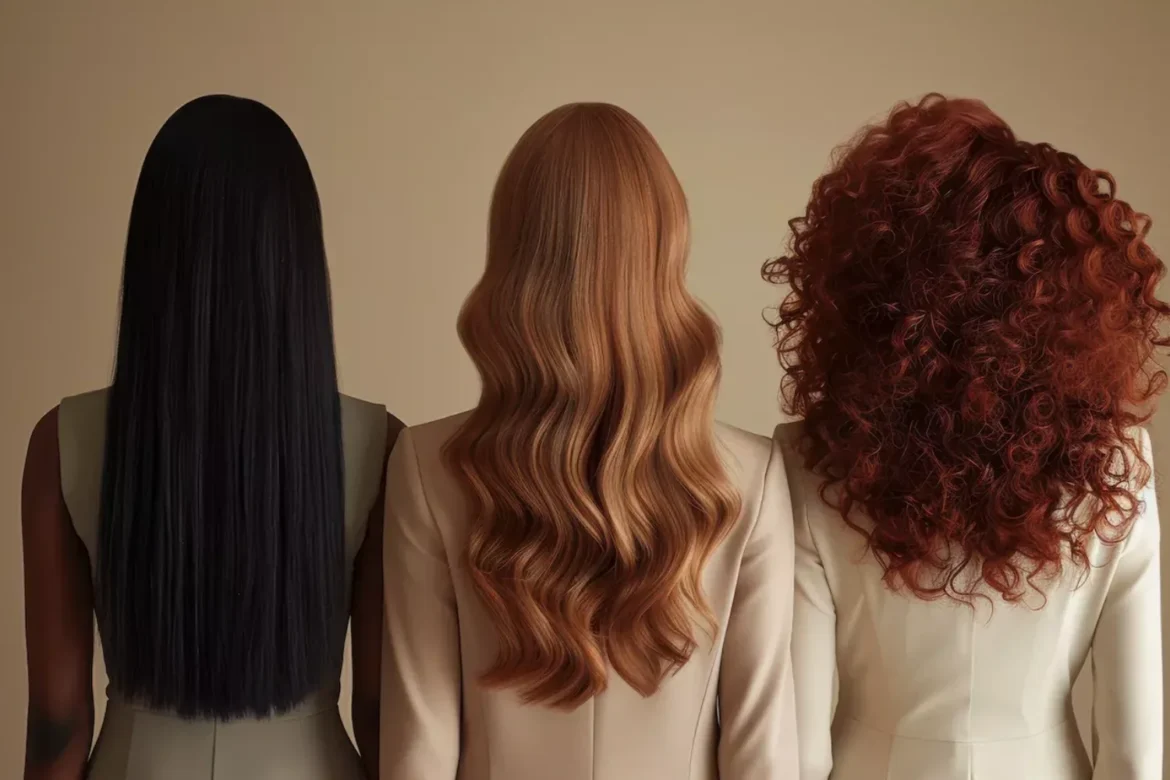
Haircare is deeply personal, influenced by texture, density, lifestyle and environmental factors. In the UK, varying weather conditions—from damp winters to occasional summer heatwaves—can affect how hair behaves throughout the year. Establishing an effective routine begins with understanding individual hair type and adjusting products and techniques accordingly. Rather than following every emerging trend, a consistent approach tailored to specific needs often yields more manageable and healthy-looking results.

Straight hair tends to reflect light easily, giving it a naturally glossy appearance. However, it may also become oily more quickly as sebum travels smoothly along the hair shaft. Lightweight shampoos and conditioners can help maintain balance without weighing strands down. Overwashing, though, may stimulate additional oil production. Spacing washes appropriately and incorporating dry shampoo when necessary can preserve volume. Heat styling tools should be used with protective sprays to minimise potential damage.

Wavy and curly hair often requires additional moisture. The natural bends in these textures can make it more difficult for oils to distribute evenly from root to tip, leading to dryness at the ends. Hydrating conditioners and leave-in treatments support definition and softness. Many individuals with curls benefit from gentle detangling methods, such as using wide-tooth combs on damp hair. Diffusers attached to hairdryers can enhance natural shape while reducing frizz, particularly during humid UK weather.
Pages: 1 2

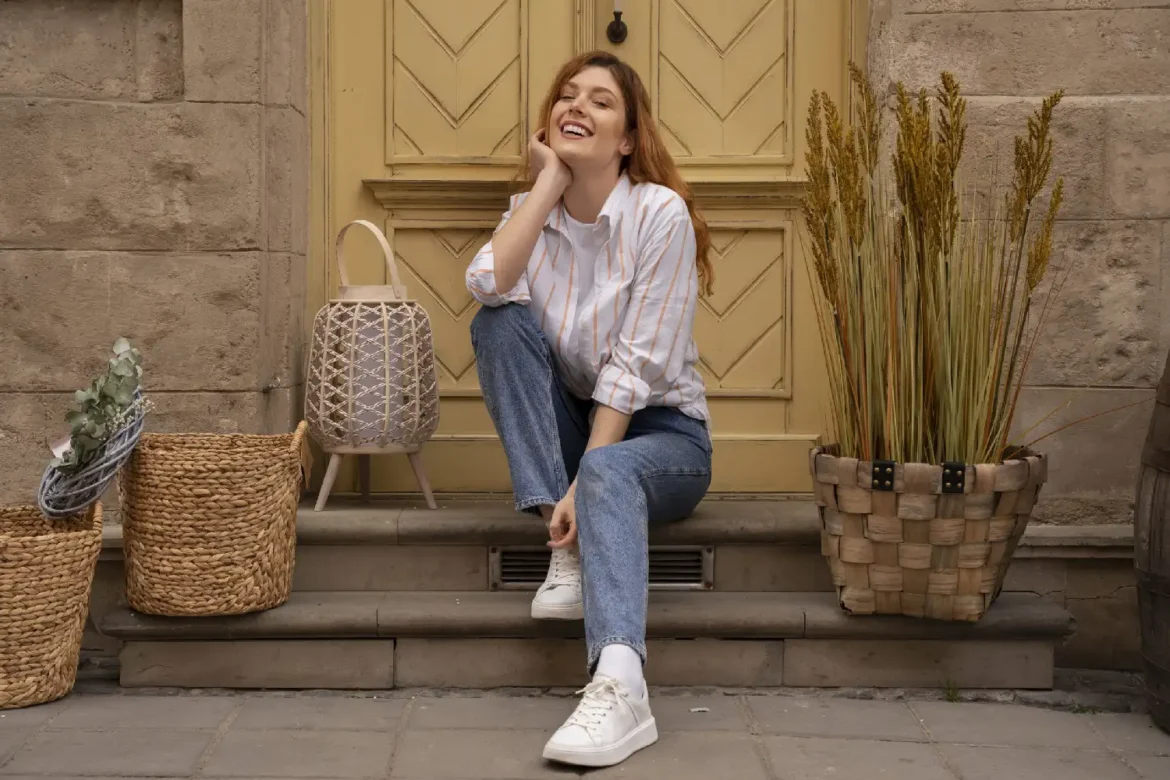
Personal style is often associated with high-profile designers and carefully curated social media feeds, yet everyday fashion is far more practical and individual. Across the UK, from busy city centres to quieter towns, most people are seeking outfits that feel comfortable, appropriate and reflective of their personality. Effortless confidence in clothing does not emerge from copying others exactly; it develops through understanding what suits your body shape, lifestyle and preferences. By focusing on a few core principles, everyday dressing can become more intentional and less stressful.

Fit is one of the most influential aspects of style. Even the most expensive garment can look unbalanced if it does not sit properly on the body. Paying attention to shoulder seams, sleeve length and trouser hems makes a noticeable difference. Tailoring adjustments are often more accessible than assumed and can transform off-the-peg pieces into well-fitting staples. In the UK, many local alteration services provide simple modifications at reasonable cost. Choosing silhouettes that complement natural proportions encourages comfort and poise throughout the day.

Colour selection also contributes to effortless style. While trends may spotlight specific shades each season, identifying colours that harmonise with your skin tone can simplify shopping decisions. Some individuals gravitate towards cool tones such as blues and greys, while others prefer warmer hues like olive or rust. Building a wardrobe around a cohesive colour palette makes mixing and matching easier. Accent colours can then be introduced through accessories, scarves or footwear without overwhelming the overall look.

Pages: 1 2

Advertising

Seasonal fashion trends shape retail collections and influence how people refresh their wardrobes throughout the year. In the UK, where weather patterns can shift quickly, seasonal dressing requires both adaptability and awareness of current styles. From spring florals to autumnal layering, fashion cycles reflect broader cultural moods and practical considerations. Understanding these shifts allows individuals to incorporate trends selectively without compromising personal style.

Spring collections often introduce lighter fabrics and brighter colour palettes. As temperatures gradually rise, designers tend to favour breathable materials such as cotton blends and lightweight denim. Pastel tones, floral prints and relaxed tailoring commonly appear in high-street shops across cities like London and Edinburgh. Transitional pieces, including trench coats and midi skirts, accommodate unpredictable weather. These items provide flexibility during days that alternate between sunshine and showers.

Summer fashion in the UK balances style with practicality. While warmer days invite linen dresses, tailored shorts and open footwear, occasional rain showers remain a reality. Lightweight jackets and structured blazers frequently accompany summer outfits to prepare for cooler evenings. Accessories such as sunglasses and woven bags add seasonal character. Music festivals and outdoor events also influence trends, encouraging bold prints and playful layering.

Pages: 1 2

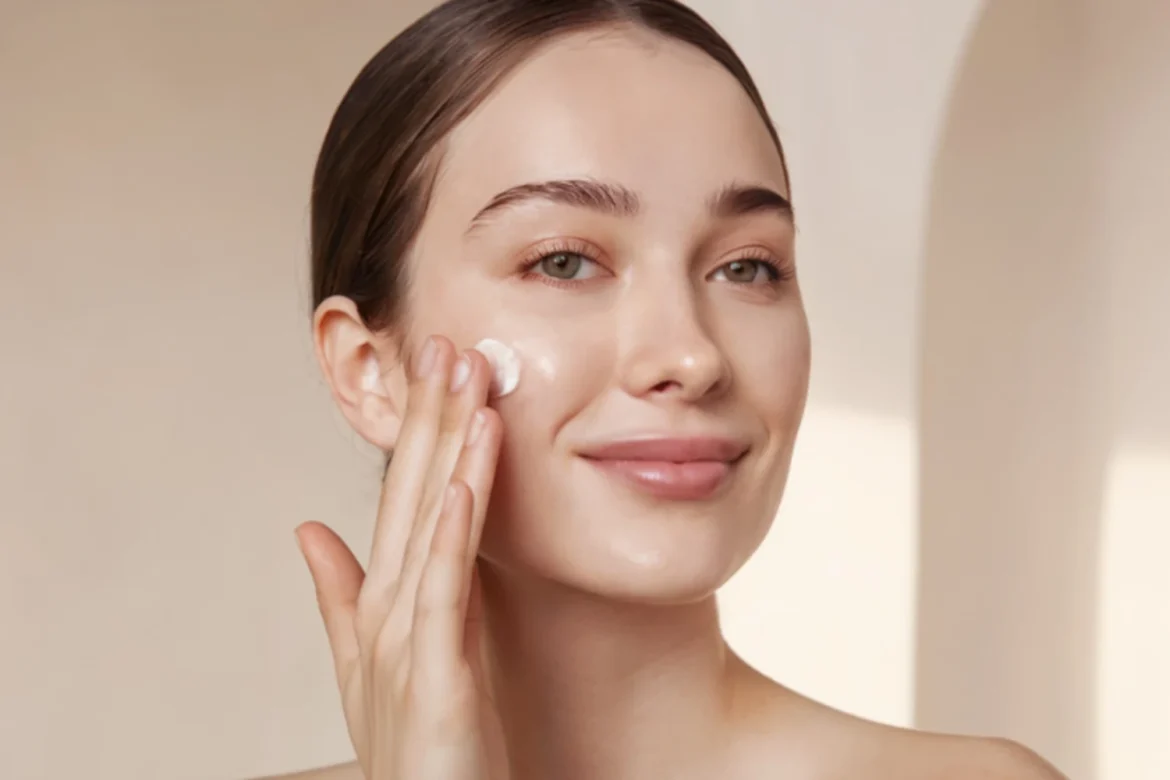
Skincare has become a central part of many people’s daily routines, with countless products promising smoother, brighter or more youthful complexions. In the UK, where weather conditions vary considerably between damp winters and warmer summer spells, adapting skincare practices to suit the climate is particularly important. Rather than relying on complex, multi-step regimens, a consistent approach centred on a few key principles often provides the most sustainable results.

Cleansing forms the foundation of any skincare routine. Throughout the day, skin accumulates pollutants, sweat and cosmetic products that may contribute to congestion if not removed properly. Selecting a cleanser appropriate for one’s skin type—whether dry, oily, combination or sensitive—supports balance. Harsh formulations can strip natural oils, leading to discomfort or increased oil production as the skin attempts to compensate. Gentle cleansing morning and evening generally maintains clarity without unnecessary irritation.

Hydration is equally essential. Moisturisers help maintain the skin’s barrier function, which protects against environmental stressors. In colder UK months, richer creams may provide additional comfort, while lighter formulations often feel more suitable during humid periods. Ingredients such as hyaluronic acid attract moisture, whereas ceramides support barrier strength. Applying moisturiser to slightly damp skin can enhance absorption and promote a smoother texture.

Pages: 1 2

Advertising

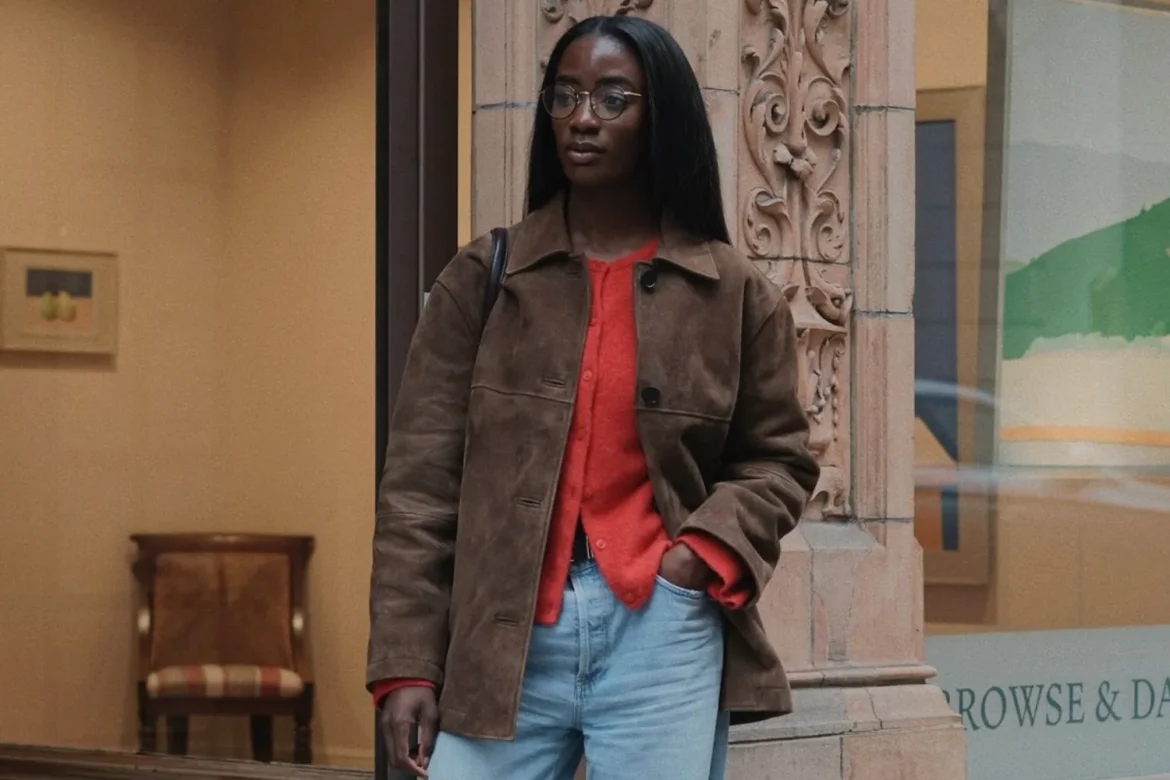
Fashion trends shift rapidly, influenced by social media, celebrity culture and seasonal runway collections. Yet many people across the UK are increasingly drawn to the idea of a timeless wardrobe: a curated selection of clothing that remains stylish and functional year after year. Rather than chasing every emerging trend, a timeless approach focuses on quality, fit and personal identity. It encourages thoughtful purchasing decisions and reduces the pressure to constantly update one’s appearance in response to external influences.

A strong foundation begins with versatile staples. Well-tailored trousers, structured blazers, quality knitwear and classic shirts provide a base that can be styled in multiple ways. Neutral tones such as navy, black, beige and grey often serve as adaptable anchors, allowing bolder accessories or seasonal pieces to stand out without overwhelming an outfit. In the UK climate, layering is particularly important. Lightweight jumpers, trench coats and tailored wool coats transition effectively between mild autumn days and colder winter months.

Fabric choice plays a significant role in both appearance and longevity. Natural fibres such as cotton, wool and linen often offer durability and comfort when properly cared for. Investing in well-made garments may involve higher upfront costs, but they frequently maintain their shape and texture longer than fast-fashion alternatives. Checking stitching, seams and lining quality before purchasing can help assess craftsmanship. A timeless wardrobe is not necessarily minimal, but it is intentional; each piece should complement others rather than exist in isolation.

Pages: 1 2

Advertising