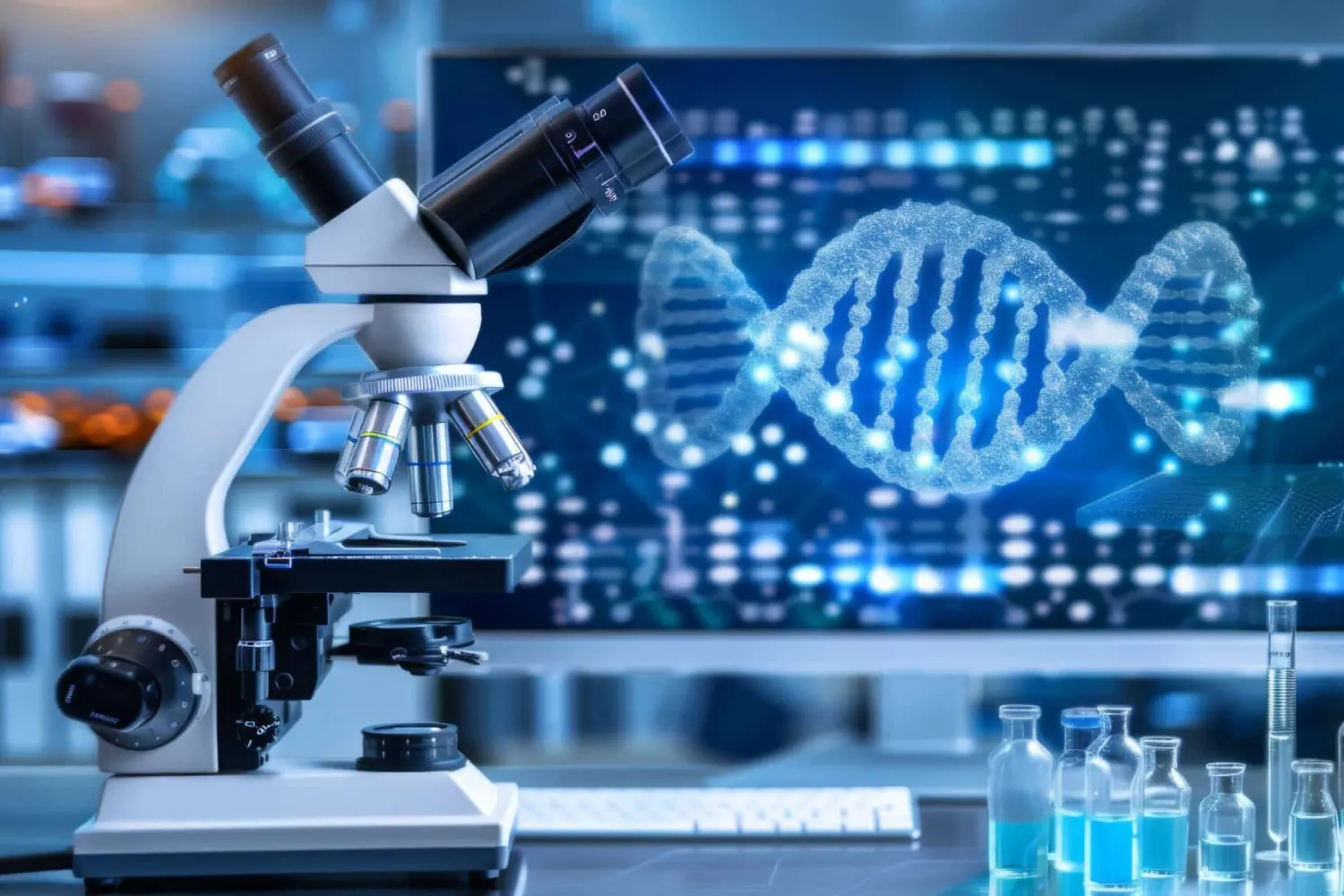
Biotechnology also contributes to pharmaceutical development. Laboratory-engineered proteins, monoclonal antibodies and advanced cell culture techniques support the creation of targeted therapies. The UK’s life sciences sector collaborates closely with universities and research institutes to translate laboratory findings into practical treatments. While development timelines can be lengthy, incremental improvements in production processes enhance efficiency and safety standards within pharmaceutical manufacturing.
Advertising
Environmental biotechnology represents another expanding field. Researchers are exploring microbial solutions for waste management, water purification and soil restoration. Certain microorganisms possess the ability to break down pollutants or convert organic waste into usable energy sources. Integrating biological systems into environmental management strategies highlights the interdisciplinary nature of biotechnology. Collaboration between ecologists, chemists and engineers supports holistic approaches to sustainability challenges.
Biotechnology advancements continue to redefine possibilities within science and innovation. As techniques become more precise and data analysis more sophisticated, researchers gain deeper insights into biological systems. Ongoing dialogue between scientists, policymakers and the public ensures that ethical and societal considerations remain integral to progress. Through responsible development and cross-disciplinary cooperation, biotechnology contributes to a dynamic landscape of discovery and application.