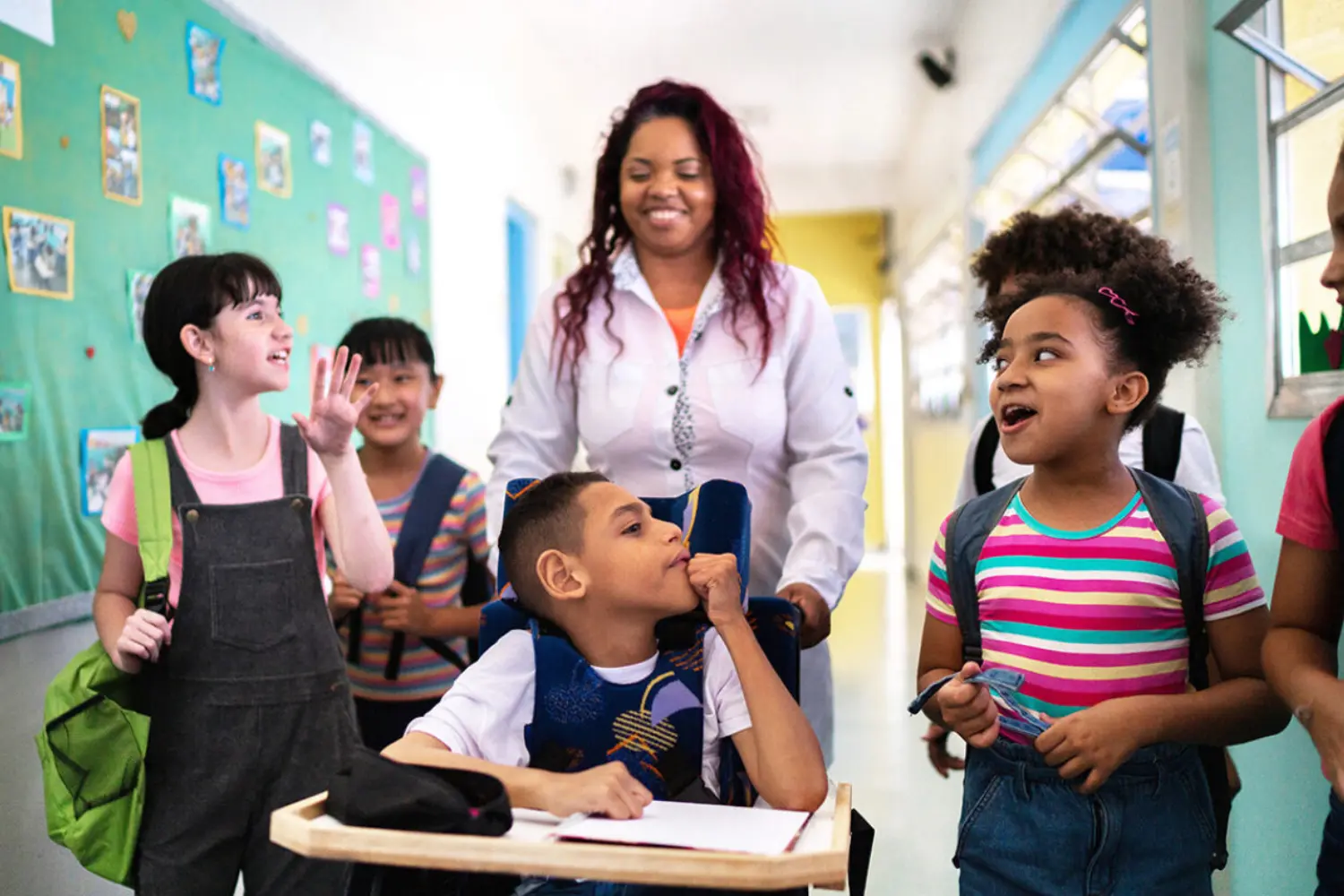
Inclusive education also addresses social and emotional wellbeing. A positive classroom culture, built on respect and empathy, reduces the likelihood of bullying or exclusion. Teachers can establish clear expectations for behaviour while modelling inclusive attitudes. Activities that promote teamwork and shared problem-solving help students appreciate diverse perspectives. In secondary schools and universities, mentorship programmes and student support services further contribute to a sense of belonging.
Advertising
Technology can support inclusive practices when used thoughtfully. Assistive tools such as speech-to-text software, screen readers and captioned videos enhance accessibility for learners with specific needs. Online platforms allow materials to be shared in multiple formats, accommodating different learning preferences. However, equitable access to devices and internet connectivity remains an important consideration. Ensuring that technological resources are available to all students helps prevent disparities in participation.
Supporting inclusive education requires ongoing commitment from educators, institutions and policymakers. Professional development enables teachers to refine strategies and remain informed about best practices. Collaboration with parents and community organisations strengthens support networks for students. By prioritising accessibility, respect and adaptability, educational institutions create environments where diversity is recognised as an asset. Inclusive classrooms not only enhance academic outcomes but also prepare learners to participate constructively in a diverse society.