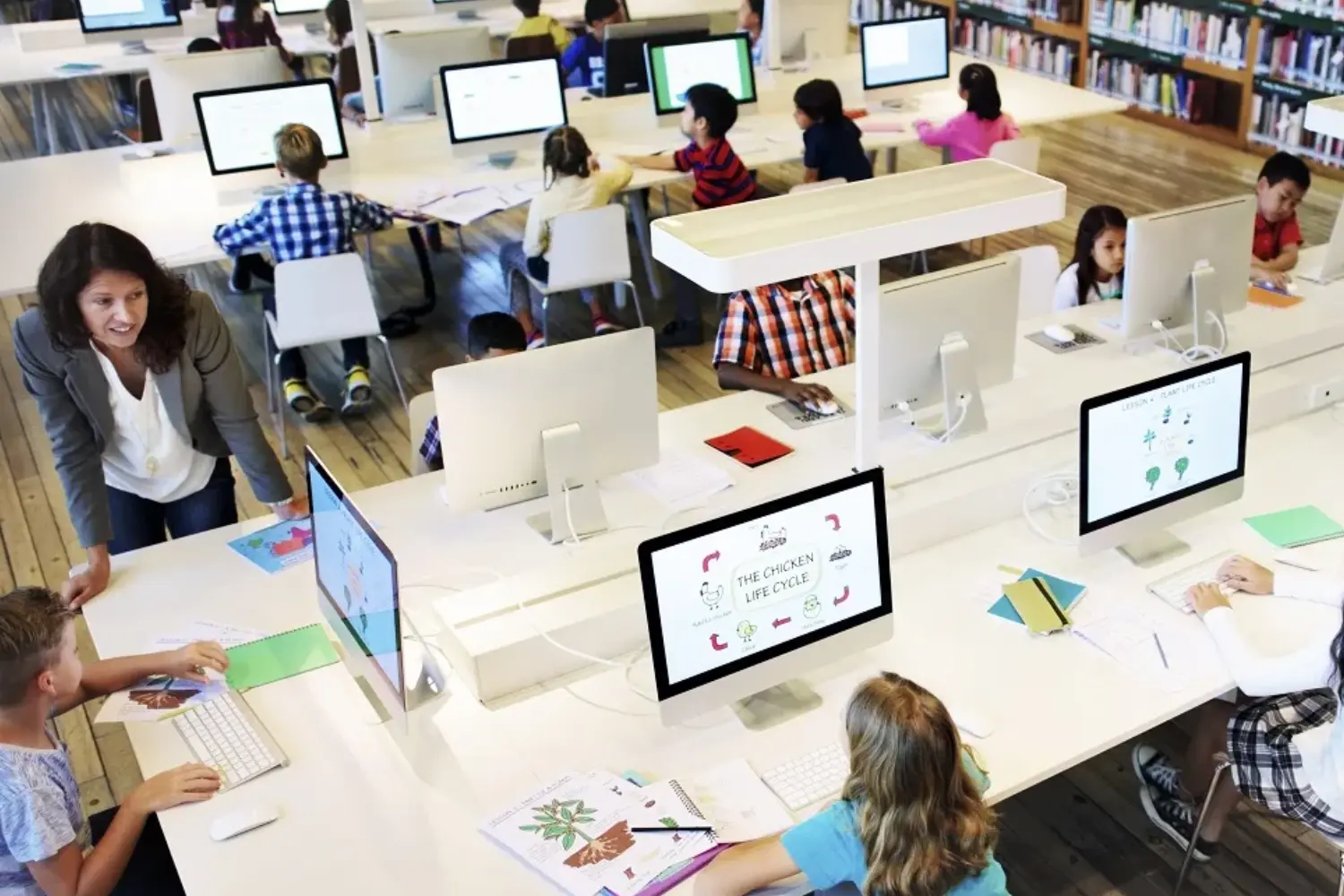
However, the integration of technology requires careful consideration. Excessive screen time has been associated with reduced concentration for some learners. Teachers must balance digital activities with traditional methods such as reading printed texts and engaging in face-to-face discussions. Additionally, not all students have equal access to high-quality devices or reliable internet connections at home. Addressing this digital divide remains a priority within UK education policy to ensure equitable learning opportunities.
Advertising
Professional development for educators is another critical factor. Effective use of technology depends on teachers feeling confident and supported in adopting new tools. Training sessions and peer collaboration can help educators integrate digital resources in ways that align with curriculum objectives. Rather than using technology for its own sake, successful implementation focuses on enhancing understanding and facilitating meaningful interaction.
The role of technology in modern classrooms continues to evolve. Emerging developments, including artificial intelligence and adaptive learning platforms, may further personalise educational experiences. At the same time, foundational skills such as critical thinking, communication and collaboration remain central to effective education. By combining digital innovation with sound pedagogical principles, schools and universities can create learning environments that prepare students for an increasingly interconnected world.