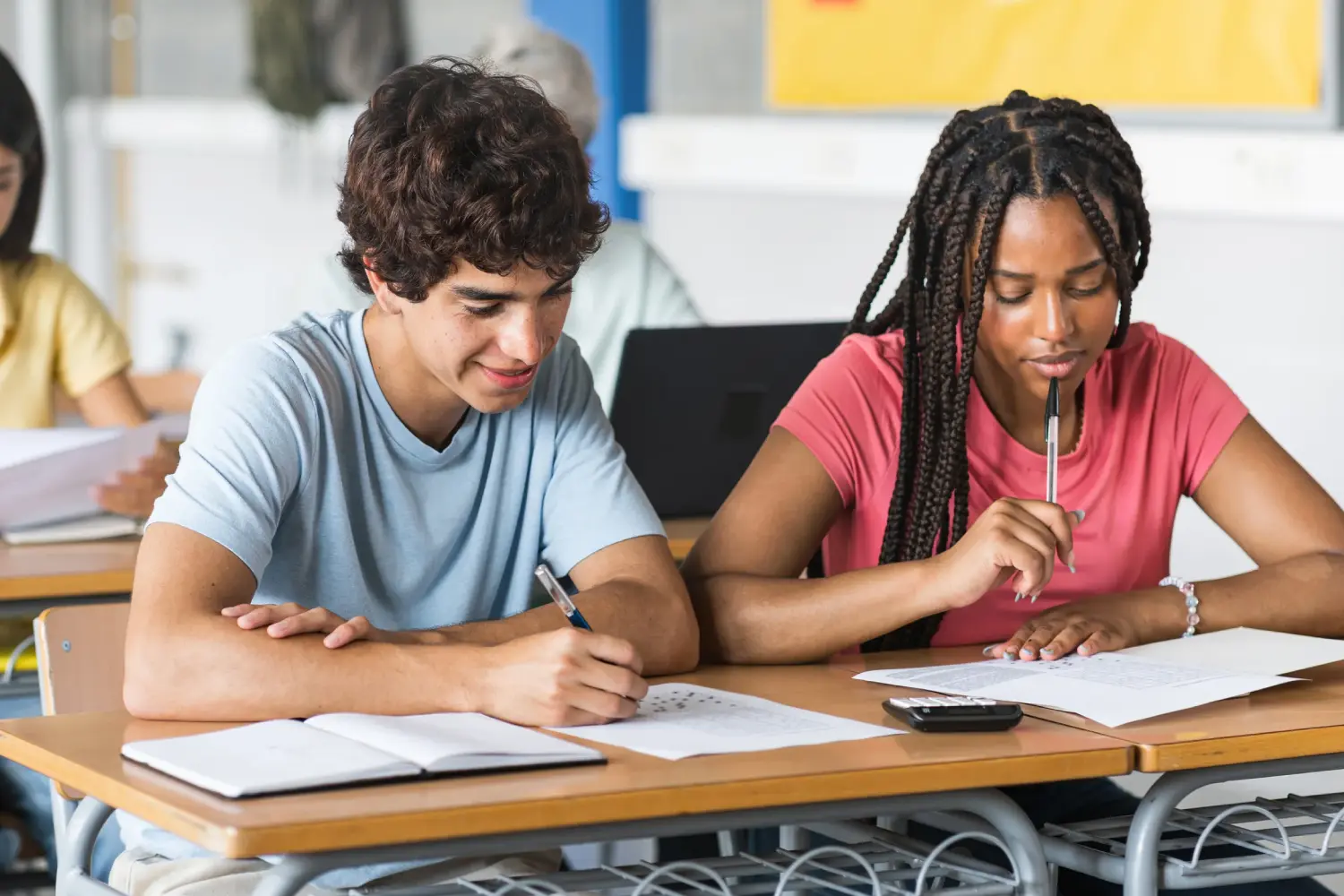
Problem-solving exercises further strengthen critical thinking. Mathematics and science lessons frequently involve applying theoretical knowledge to practical scenarios. By working through multi-step problems, students learn to evaluate different approaches and refine their reasoning. Group projects can enhance this process by exposing learners to diverse methods of analysis. Collaborative tasks encourage respectful disagreement and constructive dialogue, both of which are essential components of intellectual development.
Advertising
Digital literacy is closely connected to critical thinking in today’s educational environment. With social media platforms and online news sources shaping public discourse, students must learn to distinguish reliable information from misinformation. Teaching strategies may include analysing headlines, checking references and comparing multiple accounts of the same event. In the UK, increasing attention has been given to media literacy within citizenship education, recognising its relevance to democratic participation.
Cultivating critical thinking requires consistent practice across subjects and age groups. It is not confined to a single lesson or discipline. When students develop the ability to question, analyse and reflect, they become more autonomous learners. These skills extend beyond academic achievement, supporting informed decision-making in everyday life. By embedding critical enquiry into educational practices, institutions contribute to the development of thoughtful, engaged citizens.